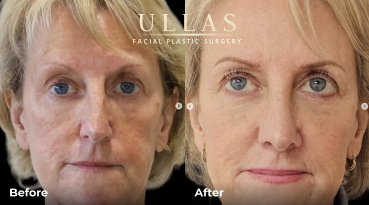
Let’s get straight to the point, facelifts are absolutely not dead in 2025. In fact, they’re having quite the moment. While you might think non-surgical treatments like fillers have taken over, the reality is more surprising than you’d expect.
The numbers tell the story. Over 4.7 million cosmetic procedures were performed in the US this year alone, and facial procedures saw a 4.3% increase from 2023 to 2024. Facelifts remain one of the most requested surgical treatments, and here’s the kicker, younger people are actually abandoning their fillers to go under the knife instead.
You’ve probably seen the headlines about celebrities dissolving their fillers and opting for surgery. Courteney Cox openly discussed removing her fillers in 2023, saying the excessive use had created results she wasn’t happy with. Reality star Lala Kent made similar statements about moving away from fillers entirely.
This isn’t just a celebrity trend. Regular people in their 30s and 40s are making the same choice, and for good reason.
Why Fillers Can’t Do What Surgery Can
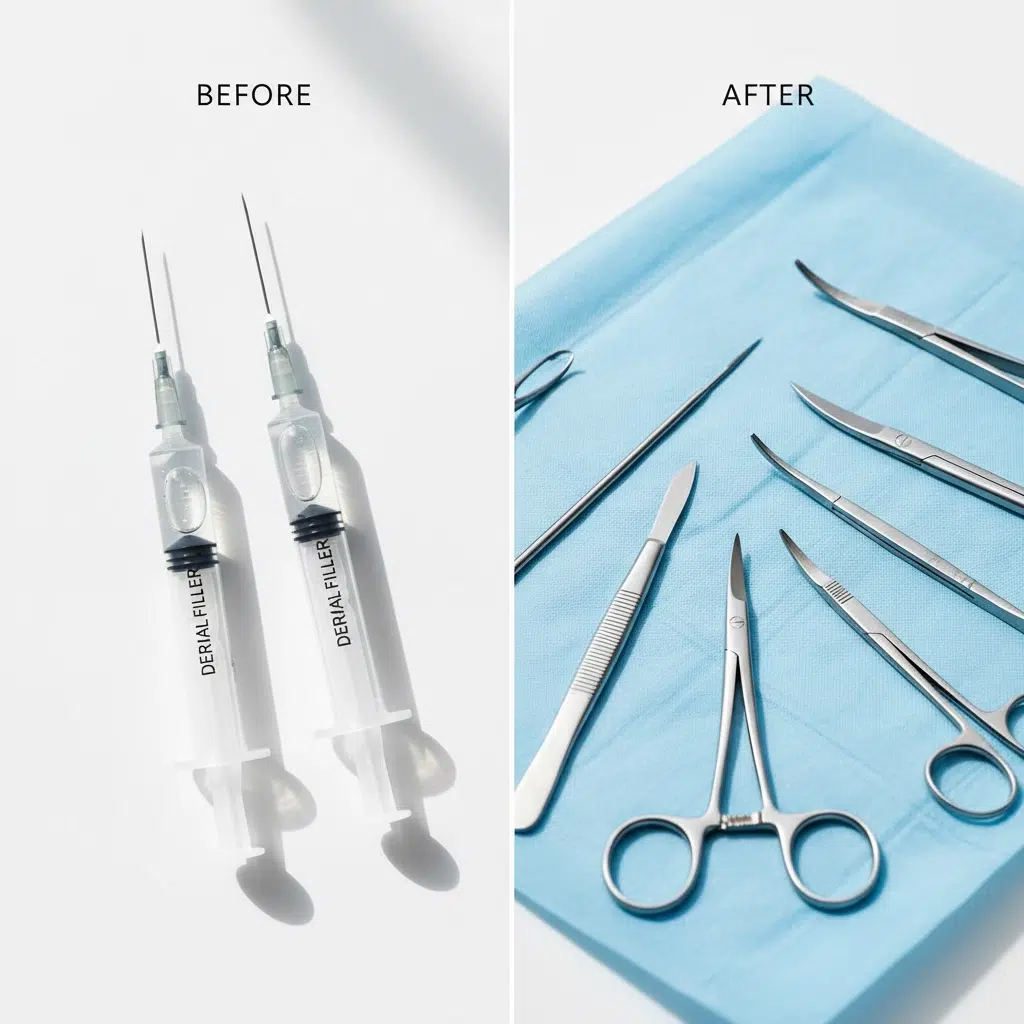
Here’s what your injector might not tell you, fillers have serious limitations. They’re great for adding volume and smoothing minor lines, but they can’t fix the big stuff that bothers you most:
Sagging skin along your jawline Jowls that make you look older than you feel Deep structural changes from gravity and time The overall “tired” look that comes with facial descent
When you try to use fillers to address these issues, you often end up looking overfilled or unnatural. Think about it, adding volume to an already sagging face can actually make things worse, not better. Fillers, as the name says, fills and expands. It also adds some more mass for gravity to pull down on.
Surgery addresses what fillers simply cannot: the effects of gravity and structural changes in your face. A facelift repositions tissues that have fallen, rather than just trying to plump them up. Ultimately surgery and fillers are trying to achieve very different things.
Modern Facelifts Are Nothing Like What You Remember
If you’re picturing the windswept, pulled-tight look from bad celebrity surgeries of the past, forget all that. Modern facelift techniques are completely different.
Today’s surgeons focus on deep plane facelifts that work with your underlying facial structures. Instead of just pulling skin tight, they reposition the deeper tissues for natural-looking results that age gracefully.
The goal isn’t to make you look like someone else, it’s to make you look like the best, most rested version of yourself.
Who’s Getting Facelifts Now?
The typical facelift patient has changed dramatically. We’re seeing more people in their 40s and early 50s choosing to have the procedure done earlier rather than waiting until their 60s or 70s.
Why the shift? Early intervention often leads to better, longer-lasting results. When you address facial aging before it becomes severe, the surgery can be less extensive and the recovery easier.
Women still make up about 93% of facelift patients, but male interest is growing steadily. The pandemic played a role here too, all those Zoom calls made people more aware of how they looked on camera.
The Recovery Reality Check
One of the biggest myths about facelifts is that you’ll be out of commission for months. That’s not true anymore.
A mini facelift might have you back to work in 7-10 days. Even a full facelift typically allows most people to return to normal activities within 2-3 weeks. Yes, you’ll have some swelling and bruising, but it’s manageable with proper planning.
Compare that to the ongoing maintenance of fillers: appointments every 6-12 months, plus the cumulative cost over time. Many patients find that surgery is actually more convenient in the long run.

The Economics Make Sense Too
Let’s talk numbers for a minute. Quality filler treatments can cost £1,000-£3,000 per session, and you need them regularly to maintain results. Over 10 years, you could easily spend £15,000-£30,000 on non-surgical treatments.
A facelift is a bigger upfront investment, but the results last 10-15 years or more. When you break it down, surgery often costs less per year than ongoing filler maintenance.
Financing options have also made facelifts more accessible. Many practices offer payment plans that spread the cost over time, making it easier to fit into your budget.
So How Do You Decide?
The choice between surgical and non-surgical treatments isn’t one-size-fits-all. Here are some questions to ask yourself:
What’s bothering you most? If it’s sagging skin, jowls, or significant volume loss, surgery will likely give you better results.
How do you feel about downtime? If you can plan for 2-3 weeks of recovery, surgery might be worth it for the longer-lasting results.
What’s your timeline? If you want results that last years rather than months, surgery makes more sense.
How important is natural-looking improvement? Modern surgical techniques often look more natural than overdone fillers.
The Consultation Makes All the Difference
Here’s what I always tell patients: the consultation is where the magic happens. A good facial plastic surgeon will examine your face, understand your goals, and help you make the right choice for your situation.
Some people really are better candidates for non-surgical treatments, especially if they’re younger with minimal signs of aging. Others will get much better value and results from surgery.
The key is working with someone who offers both options and isn’t trying to sell you on one particular treatment. They should be able to explain why they’re recommending what they’re recommending.

Looking Forward: What This Means for You
The landscape of facial rejuvenation has shifted dramatically. The stigma around surgical procedures is decreasing while awareness of the limitations of fillers is growing.
This means you have more realistic options and better information to make your decision. You don’t have to choose between looking “done” or looking tired: there’s a middle ground that achieves natural, lasting improvement.
The bottom line? Facelifts aren’t going anywhere. They’ve evolved to meet modern expectations for natural results, accessible pricing, and reasonable recovery times. While fillers will always have their place for maintenance and minor improvements, surgery remains the gold standard for addressing significant facial aging.
Ready to Explore Your Options?
The best way to know what’s right for you is to have an honest conversation with an experienced facial plastic surgeon. They can evaluate your specific concerns, explain your options, and help you make a decision you’ll be happy with for years to come.
Whether that’s surgical or non-surgical treatment, the goal is the same: helping you feel confident and comfortable in your own skin. And in 2025, you have more ways to achieve that than ever before.
Want to learn more about what modern facelift techniques could do for you? Schedule a consultation to discuss your goals and get personalized recommendations based on your unique situation.