

Are You Making These Common Facial Synkinesis Mistakes?
- Gautham Ullas
- Nov 14, 2025
- 5 min read

If you're dealing with facial synkinesis after facial nerve paralysis, you're probably doing everything you can to get better. But here's the thing – some of the most well-intentioned recovery efforts can actually make your symptoms worse.
Facial synkinesis happens when your facial nerves heal incorrectly after facial palsy, causing unwanted muscle movements. Your eye might close when you smile, or your mouth might twitch when you blink. It's frustrating, we know.
The good news? Many of these setbacks are completely avoidable once you know what to watch out for. Let's walk through the most common mistakes people make during facial nerve treatment – and more importantly, how to fix them.
Mistake #1: Overdoing Your Facial Exercises
You've probably been told that facial exercises are crucial for recovery. And they are! But here's where things get tricky – more isn't always better.
Many people think that if a little exercise helps, then a lot of exercise must help even more. This couldn't be further from the truth when it comes to facial nerve reanimation.
Why this hurts you: Overdoing facial exercises can actually make synkinesis more pronounced or even cause it to develop in the first place. Your facial muscles are delicate, and they need time to heal properly between sessions.
The fix: Stick to the exercise routine your specialist gives you. If you don't have one yet, that's your first priority. Quality beats quantity every single time. Think gentle, controlled movements rather than aggressive workouts for your face.
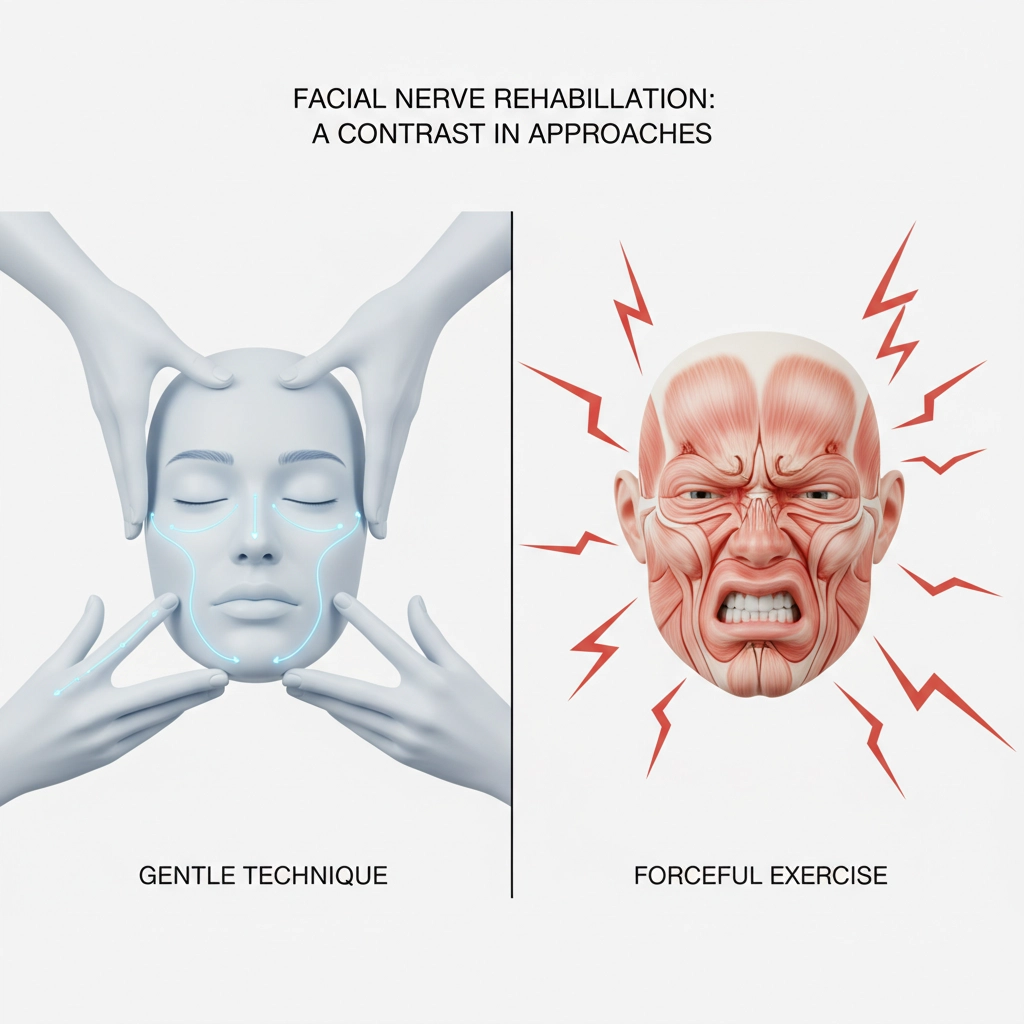
Mistake #2: Making Exaggerated Facial Expressions
This one catches almost everyone off guard. When you're trying to get your face moving again, it feels natural to practice big smiles, raised eyebrows, or other exaggerated expressions.
But here's what happens: when you deliberately "make faces," you're teaching your brain to connect movements that shouldn't go together. If you practice smiling while your eye closes, your brain learns to make that connection permanent.
Why this hurts you: Every time you make an exaggerated facial expression, you're essentially practicing the wrong movement patterns. Your brain remembers these patterns and starts doing them automatically – even when you don't want it to.
The fix: Resist the urge to test your face constantly. Instead of making big expressions, focus on small, controlled movements. If you need to practice, do it as part of your prescribed therapy routine, not throughout the day.
Mistake #3: Following Generic Exercise Programs
We get it – you want to help yourself, and there's tons of information online about facial exercises. But here's the problem: facial synkinesis is highly individual. What works for someone else might make your condition worse.
Why this hurts you: Incorrect exercise techniques can reinforce poor movement patterns and increase facial tightness. When exercises aren't tailored to your specific type of facial nerve paralysis, you risk strengthening the wrong muscle connections.
The fix: Work with a qualified specialist who understands facial nerve treatment. They'll create a customized program based on your specific symptoms and recovery stage. Don't go it alone – this is one area where professional guidance makes all the difference.
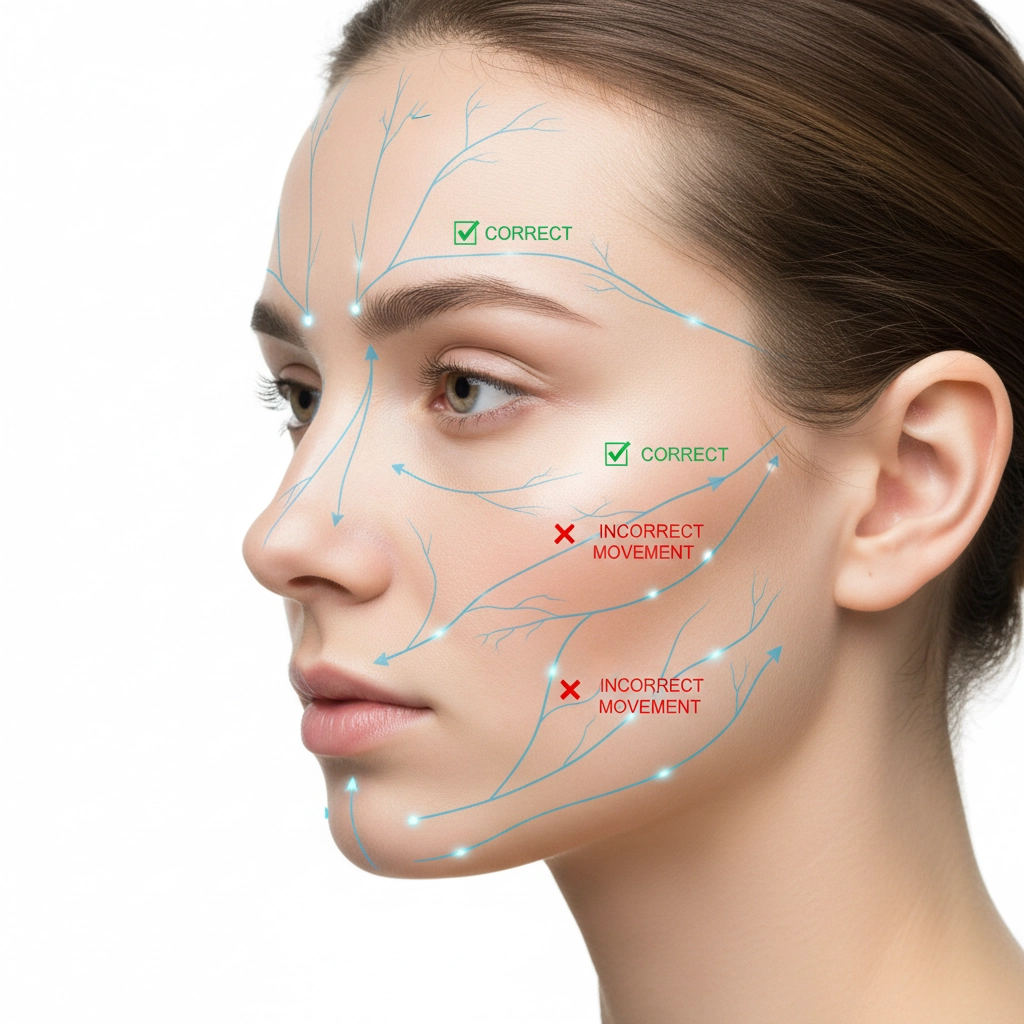
Mistake #4: Using Forceful Treatments and Techniques
When recovery feels slow, it's tempting to try more aggressive approaches. Maybe someone suggested face slapping to "wake up" your nerves, or you're considering unproven treatments that promise quick results.
Why this hurts you: Forceful interventions often backfire spectacularly. Slapping your face stimulates multiple areas at once, teaching your brain to activate several muscle groups simultaneously – exactly what you're trying to avoid with synkinesis.
The fix: Gentle is the way to go. Focus on soft tissue massage, stress management, and conscious muscle relaxation. Your nerves need time and the right environment to heal – not shock treatments.
Mistake #5: Ignoring the Mind-Body Connection
Facial synkinesis isn't just about your muscles – it's about your brain learning new patterns. Many people focus solely on the physical aspects and ignore how stress, anxiety, and emotional tension affect their symptoms.
Why this hurts you: Stress makes everything worse, including synkinesis. When you're anxious or frustrated, your facial muscles tense up, making unwanted movements more likely and more pronounced.
The fix: Make stress management part of your recovery plan. This might include relaxation techniques, gentle exercise (not facial exercise!), or talking to someone about the emotional challenges of living with facial palsy. Your mental health directly impacts your physical recovery.

Mistake #6: Expecting Immediate Results
Recovery from facial nerve paralysis takes time – often much more time than people expect. When improvements don't happen quickly, many people either give up or try to force faster progress through more intensive efforts.
Why this hurts you: Impatience leads to all the other mistakes on this list. When you push too hard or try unproven methods, you risk undoing the progress you've already made.
The fix: Set realistic expectations with your treatment team. Recovery can take months or even years. Focus on small improvements rather than dramatic changes, and celebrate the progress you do make.
Mistake #7: Going It Alone
One of the biggest mistakes is trying to manage facial synkinesis without proper support. This includes both professional medical support and emotional support from family, friends, or support groups.
Why this hurts you: Without guidance, you're more likely to make the other mistakes we've discussed. Plus, isolation can worsen the emotional impact of living with facial nerve issues.
The fix: Build your support team. This should include a specialist familiar with facial nerve reanimation, and ideally a therapist trained in facial rehabilitation. Don't forget about the people in your life who care about you – let them help.
The Bottom Line: Prevention Is Everything
Here's something crucial to understand: preventing synkinesis is much easier than treating it once it's established. The mistakes we've covered don't just slow down your recovery – they can create new problems that are harder to fix later.
If you're in the early stages of facial nerve paralysis, being careful about these common pitfalls could save you months or years of additional treatment. If you're already dealing with synkinesis, avoiding these mistakes can prevent it from getting worse.
What to Do Right Now
Start with these three simple steps:
Remember, recovery from facial nerve paralysis and managing synkinesis is a journey, not a sprint. The small, consistent efforts you make today will pay off in the long run. You're not alone in this, and with the right approach, you can see real improvement in your symptoms.
Your facial nerve treatment doesn't have to be a guessing game. By avoiding these common mistakes and working with the right professionals, you're setting yourself up for the best possible recovery.


Comments