

Facial Nerve Paralysis (Part 5): Living Well After Facial Nerve Reanimation
- Gautham Ullas
- Nov 12, 2025
- 4 min read

You've made it through facial nerve reanimation surgery: what's next? Life after facial reanimation is a journey of gradual improvement, patience, and rediscovering confidence. Whether you're just starting recovery or months into the process, understanding what lies ahead helps you make the most of your results.
Let's walk through what living well after facial nerve treatment really looks like, from the practical day-to-day stuff to the emotional wins that make it all worthwhile.
Your Recovery Timeline: What Actually Happens
Recovery after facial reanimation surgery isn't a one-size-fits-all experience. Some improvements show up right away, while others take time to develop.
If you had an eyelid weight implant, you'll notice better blinking and eye comfort almost immediately. Procedures like facelifts or browlifts also show visible results once the swelling goes down.
But here's the thing: many facial reanimation techniques require serious patience. Nerve repairs, nerve transfers, and muscle transplants work differently because your nerves need time to grow into the muscle tissue before movement returns.
The realistic timeline: Most people start seeing actual movement between 4 to 6 months after nerve transfer procedures. It might take several more months before you see your full results. Your surgical team will keep checking your progress throughout this period.
Don't get discouraged if things feel slow at first. Your body is doing incredible repair work behind the scenes.

Physical Therapy: Your Secret Weapon
Physical therapy isn't optional: it's your best tool for getting the most out of your facial nerve reanimation. Think of it as training your face to work again.
Your rehabilitation plan will include:
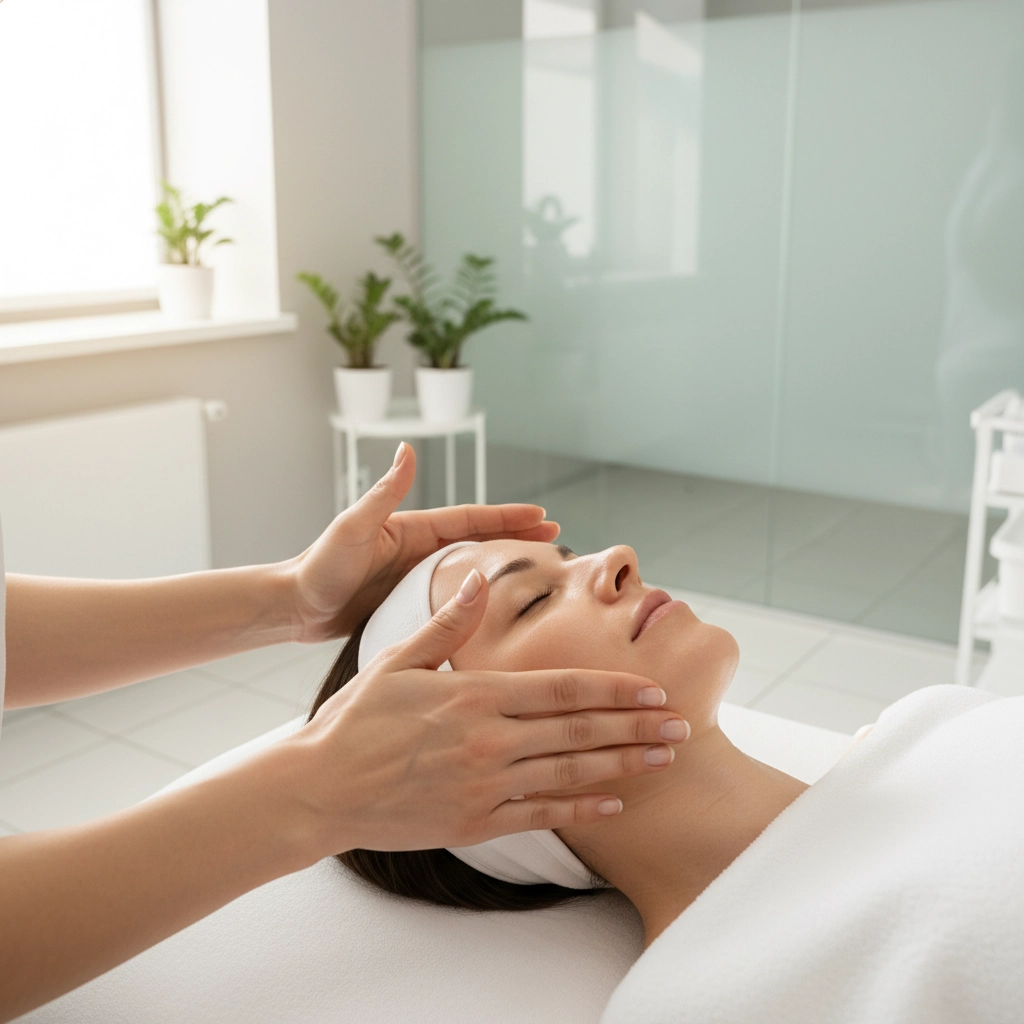
Massaging techniques to improve blood flow and reduce stiffness
Stretching exercises to maintain flexibility
Neuromuscular retraining to help your brain reconnect with facial muscles
Here's what makes physical therapy so effective: it doesn't just restore movement, it also reduces muscle spasms that can develop as your nerves heal. The more effort you put into these exercises, the better your long-term function will be.
Pro tip: Stay consistent with your exercises, even when progress feels slow. Small daily efforts add up to significant improvements over time.
Managing the Emotional Side
Let's be honest: facial nerve paralysis and the recovery process can mess with your head. You might feel frustrated with the pace of healing, worried about how you look, or anxious about whether the surgery will work.
These feelings are completely normal. Many patients go through emotional ups and downs during recovery.
Ways to support your mental health:
Connect with others who've been through similar experiences
Set small, achievable goals rather than focusing on the end result
Celebrate progress, even tiny improvements
Practice self-compassion on difficult days
Consider counseling if you're struggling with anxiety or depression
Remember, facial reanimation can be genuinely life-changing. Patients often report feeling like themselves again once they can smile and express emotions naturally.
Long-Term Care: Keeping Your Results Strong
Once you start seeing good movement, you'll want to maintain those results. Long-term care isn't complicated, but it does require some ongoing attention.
Daily habits that help:
Continue facial exercises as recommended by your therapy team
Protect your face from extreme temperatures
Use gentle skincare products that won't irritate healing tissue
Stay hydrated to support healthy tissue function
Get enough sleep to aid the healing process
Watch for complications: Some people develop facial synkinesis: involuntary muscle contractions or spasms: as nerves regenerate. If this happens, don't panic. Your surgeon has treatment options, including Botox injections or additional procedures to improve comfort.
Building Your Support System
Recovery goes much smoother when you have the right people in your corner. This includes both professional support and personal connections.
Your professional team should include:
Your facial plastic surgeon for ongoing monitoring
A physical therapist specialized in facial rehabilitation
An occupational therapist if you need help with daily activities
A counselor or support group if you want emotional support
Personal support matters too: Family and friends who understand what you're going through make a huge difference. Don't be afraid to explain what you need from them, whether that's help with appointments or just someone to listen.

Setting Realistic Expectations
Here's the truth about facial nerve reanimation: results can be excellent, but they take time and commitment. Understanding this upfront helps you stay motivated throughout recovery.
What to expect:
Gradual improvement over months, not weeks
Some procedures work faster than others
Your final result might look different from someone else's
Additional touch-up procedures are sometimes needed
Why timing matters: There's often a critical window after facial nerve paralysis when certain repairs are possible. As time passes without treatment, muscle tissue weakens, which may require more complex procedures. If you're dealing with facial nerve paralysis, getting evaluated sooner rather than later gives you more options.
The Practical Benefits You'll Notice
Beyond the obvious improvement in appearance, facial nerve reanimation restores practical functions that affect daily life:
Better eye protection from improved blinking
Clearer speech with better lip and cheek control
Easier eating without food getting stuck or falling out
Natural expressions that improve communication with others
These functional improvements often have the biggest impact on quality of life. When you can eat, speak, and express emotions normally, confidence naturally follows.
When to Call Your Doctor
Stay in regular contact with your surgical team, but call right away if you notice:
Sudden loss of movement that was returning
Severe pain or unusual swelling
Signs of infection like redness, warmth, or drainage
New numbness or tingling
Vision changes or eye problems
Early intervention for any complications gives you the best chance of maintaining your results.
Looking Forward
Living well after facial reanimation surgery is about more than just physical healing. It's about rediscovering confidence, rebuilding connections with others, and getting back to activities you love.
The journey requires patience, but most patients find the results worth the wait. You're not just restoring facial function: you're reclaiming your ability to communicate, express joy, and feel comfortable in social situations.
Remember, every small improvement counts. Whether it's the first time you can close your eye completely, or the moment you catch yourself smiling naturally in the mirror, these victories add up to something meaningful.
Your recovery is unique to you, but you don't have to navigate it alone. Stay connected with your care team, be patient with the process, and celebrate the progress you're making along the way.
If you're considering facial nerve reanimation or want to learn more about treatment options, book a consultation to discuss your specific situation and goals.


Comments