

Facial Reanimation Surgery vs. Non-Surgical Options: Which Is Better For Your Recovery?
- Gautham Ullas
- Nov 18, 2025
- 5 min read

When you're dealing with facial nerve paralysis or facial palsy, one of the biggest questions you'll face is whether to pursue surgical treatment or stick with non-surgical options. It's a decision that can feel overwhelming, especially when you're already dealing with the emotional and physical challenges of facial weakness.
The truth is, there's no one-size-fits-all answer. Your best path forward depends on several factors: how long you've had facial paralysis, what's causing it, how well conservative treatments have worked, and what your personal goals are for recovery.
Let's break down both approaches so you can make an informed decision with your medical team.
Understanding Your Treatment Timeline
Before diving into specific options, it's important to understand that timing plays a huge role in facial nerve treatment. The first 6 to 12 months after facial paralysis begins is considered the golden window for natural recovery.
If your facial nerve shows signs of healing during this period, you might recover significant function without any surgical intervention. However, if you don't see meaningful improvement within this timeframe, surgical options become much more relevant to consider.
Non-Surgical Treatment Options
Let's start with the less invasive approach. Non-surgical treatments work best when you catch facial paralysis early and are often the first line of defense.
Physical Therapy and Neuromuscular Retraining
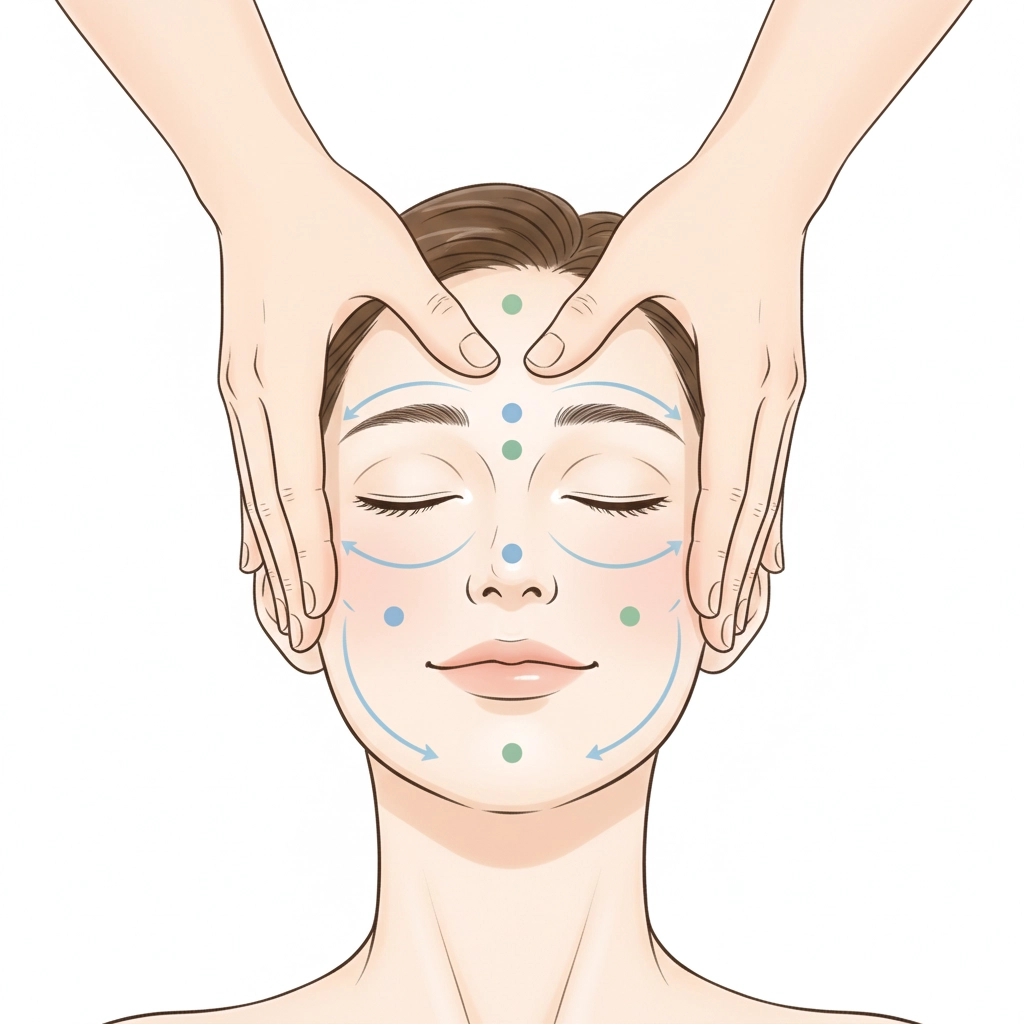
Physical therapy isn't just for broken bones, it's incredibly valuable for facial nerve paralysis too. A specialized physical therapist will teach you specific exercises, massaging techniques, and stretching routines designed to help your facial muscles relearn how to work properly.
This approach is particularly effective if you start within the first few months of developing facial weakness. You'll typically work on exercises that target specific muscle groups, helping restore coordination and reduce unwanted muscle movements.
Botox Injections (Chemodenervation)
Botox isn't just for cosmetic purposes, it's actually a powerful treatment tool for facial nerve paralysis. When injected strategically, Botox can help reduce muscle tension and unwanted facial movements, particularly on the unaffected side of your face.
This treatment works by blocking nerve signals to overactive muscles, helping create better facial balance. It's often combined with physical therapy for the best results.
The Benefits of Going Non-Surgical
Non-surgical treatments offer several advantages:
No incisions or scars
No hospital stay required
You can return to normal activities immediately
Lower cost compared to surgery
Fewer risks and complications
The Limitations
However, non-surgical approaches do have their limitations:
They're most effective within the first 6 months
May not provide adequate results for long-standing paralysis
Less likely to restore full facial movement compared to surgical options
Some patients plateau in their recovery with conservative treatment alone
Surgical Treatment Options
When non-surgical treatments aren't enough, facial reanimation surgery becomes a valuable option. These procedures are highly specialized and can be divided into two main categories.
Static Procedures
Static procedures focus on improving your facial appearance when your face is at rest. They help restore facial symmetry and can make a significant difference in your confidence and quality of life.
Some of these procedures are daycase, meaning you go home the same day. Recovery is relatively straightforward, and you'll see immediate improvements once initial swelling subsides.
Dynamic Procedures
Dynamic procedures are where facial reanimation surgery really shines. These aim to restore actual facial movement and expression, not just improve appearance at rest.
Nerve Transfers
One popular technique is the 5-7 nerve transfer, where surgeons reroute a healthy nerve (usually from your jaw muscle) to power your facial muscles. This procedure typically shows results within 3-6 months as the nerve grows and connects with your facial muscles.
Muscle Transfers
For more complex cases, surgeons might transplant muscle from another part of your body, often from the inside of our thigh, to restore specific facial functions like smiling. These procedures are more involved but can provide excellent results for restoring natural-looking expressions.
What to Expect from Surgery
Surgical recovery varies depending on the specific procedure:
Hospital stay: Static procedures are usually same-day, while more complex procedures might require 2-5 days in the hospital
Initial healing: Most of the physical healing happens in the first few weeks
Nerve regeneration: This takes much longer, typically 3-6 months for nerve transfers, and up to 6-12 months for muscle transplants
Physical therapy: Essential after surgery to maximize your results
Surgery Benefits and Drawbacks
The advantages:
Can restore substantial facial movement and expression
Highly personalized to your specific needs
Nearly all patients see some improvement
Often the best option for long-standing paralysis
The considerations:
Requires surgical incisions (though scars are well-hidden)
Longer recovery time
Results aren't immediate, patience is required
May require additional procedures for optimal results
Making the Right Choice for You
So which approach is better? Here's how to think through your options:
If You're Within 6 Months of Symptom Onset
Start with non-surgical treatment. Many people recover naturally during this window, and conservative approaches like physical therapy and Botox can be highly effective. There's no downside to trying these first, and you can always pursue surgery later if needed.
If Conservative Treatment Isn't Working After 6 Months
This is typically when facial reanimation surgery becomes a strong consideration. At this point, your paralysis is likely chronic, and surgical intervention offers the best chance of restoring meaningful movement and expression.
If Your Priority Is Restoring Movement
Dynamic surgical procedures offer superior results for restoring facial movement compared to non-surgical options. Yes, they require more time and patience, but the potential for regaining natural expressions is worth considering.
If You Want Immediate Cosmetic Improvement
Static surgical procedures can provide immediate improvement in facial symmetry with relatively minimal downtime. These work well on their own or as part of a broader treatment plan.
The Bottom Line
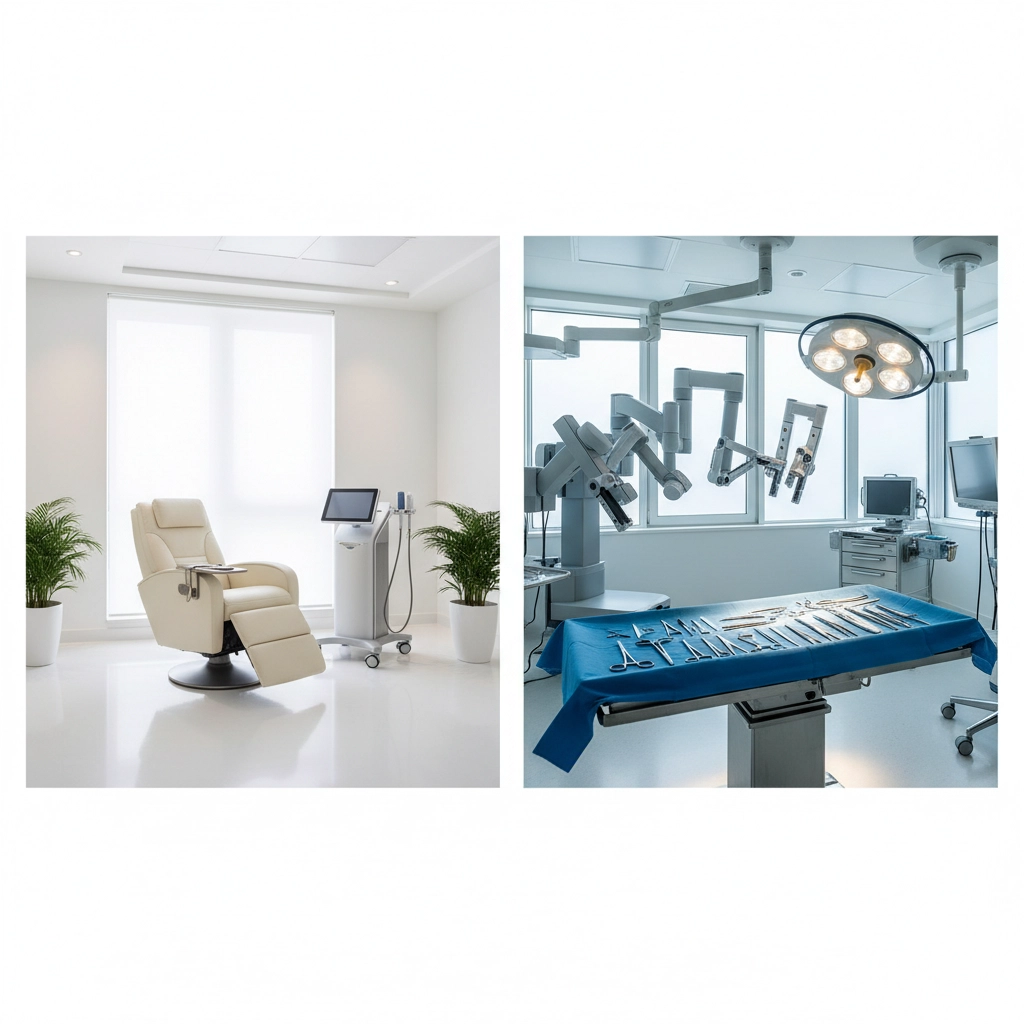
The best approach often isn't strictly either-or. Many patients benefit from starting with non-surgical options and physical therapy, then transitioning to surgery if recovery plateaus.
Your decision should be based on:
How long you've had facial paralysis
What's causing your condition
How well conservative treatments have worked
Your personal goals and priorities
Your overall health and ability to undergo surgery
The key is working with a specialist who understands facial nerve paralysis and can guide you through your options. They'll help you understand what's realistic for your specific situation and develop a personalized plan that gives you the best chance of achieving your recovery goals.
Remember, recovery from facial nerve paralysis is often a journey rather than a destination. Whether you choose surgical or non-surgical treatment, patience and realistic expectations are important. The goal isn't necessarily perfect symmetry, but meaningful improvement in function and quality of life.
If you're dealing with facial nerve paralysis and wondering about your treatment options, don't hesitate to book a consultation to discuss your specific situation and explore what might work best for you.


Comments