

Living With Facial Weakness: Practical Challenges & Everyday Solutions
- Gautham Ullas
- Nov 7, 2025
- 5 min read

In part one of our series, we covered what facial nerve paralysis is and its common causes. Now let's talk about something equally important: how to navigate daily life when you're dealing with facial weakness.
If you're reading this, you might be struggling with some of these challenges yourself, or perhaps supporting someone who is. Either way, know that you're not alone, and there are plenty of practical strategies that can make things easier.
The Daily Reality: What You Might Be Facing
Eating and Drinking Becomes Complicated
One of the first things you'll notice is how much harder it becomes to eat and drink normally. Food might collect in your cheek on the affected side, making it difficult to chew properly. Liquids can escape from the corner of your mouth, and you might find yourself drooling without realizing it.
This isn't just inconvenient: it can be embarrassing, especially when you're eating with others. You might start avoiding social meals or feel self-conscious about dining out.
Quick fixes you can try:
Eat smaller bites and chew on your unaffected side
Use a straw for drinks to better control the flow
Keep napkins handy and don't feel embarrassed about using them
Consider softer foods that are easier to manage initially

Eye Care Becomes Critical
When facial muscles weaken, you might lose the ability to close your eye completely. This sounds minor, but it's actually one of the most serious aspects of facial weakness. Your eye can become dry, irritated, and vulnerable to damage.
You might notice your eye feeling gritty, looking red, or tearing excessively as your body tries to compensate. Sleeping becomes tricky because your eye stays partially open.
Protecting your eye:
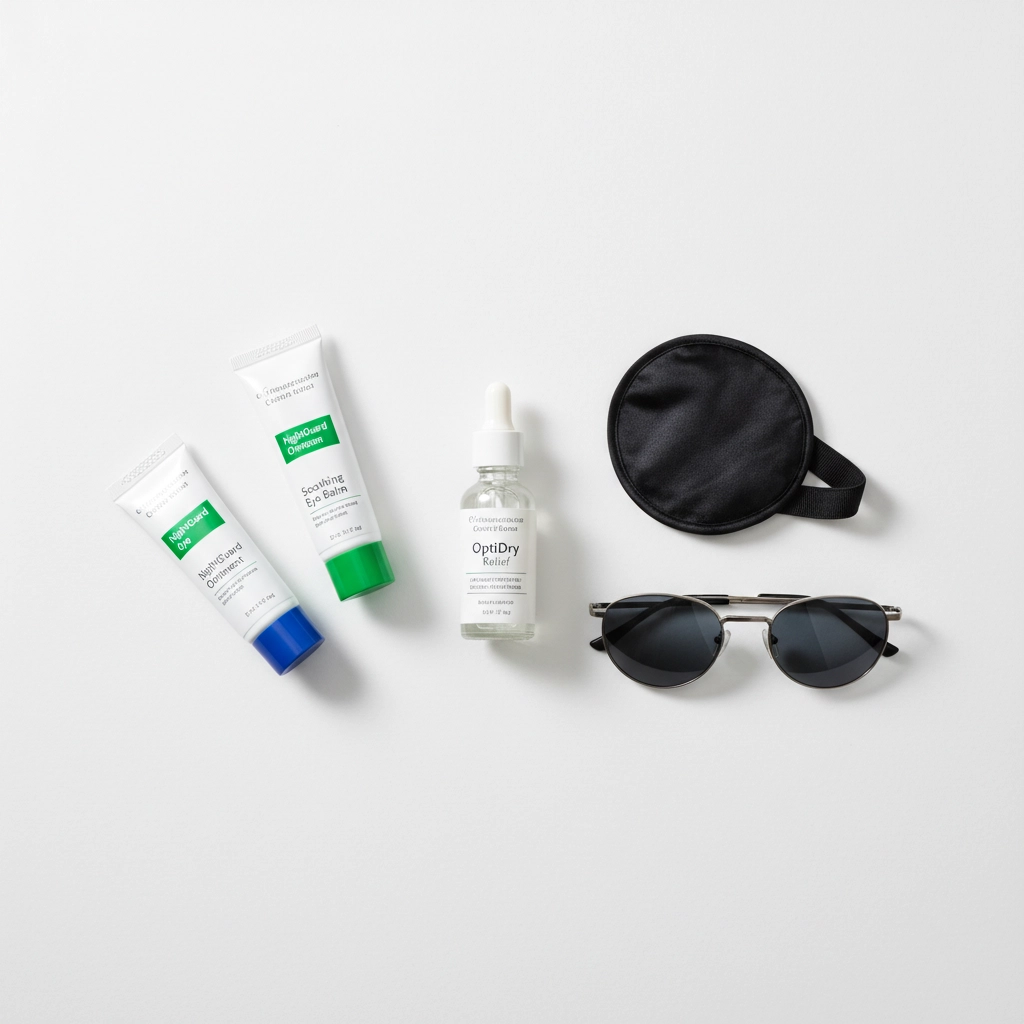
Use artificial tears frequently throughout the day
Apply eye ointment at night before bed
Consider wearing an eye patch, especially while sleeping or taping the upper eyelid to the bottom on the affected side.
Avoid windy or dusty environments when possible
Use sunglasses outdoors for extra protection
Communication Gets Frustrating
Speaking clearly becomes harder when half your face isn't working properly. You might notice people asking you to repeat yourself more often. Even more frustrating, you lose the ability to show emotions naturally through facial expressions.
Smiling, frowning, or raising an eyebrow: these subtle communications we take for granted suddenly aren't available. People might think you're upset when you're actually feeling fine, simply because your face can't express what you're feeling.
Social Situations Feel Different
Let's be honest: facial weakness affects how you interact with the world. You might feel self-conscious about your appearance or worry about how others perceive you. Some people report feeling like they've lost part of their identity because their face doesn't reflect their personality anymore.
Dating, job interviews, or even casual conversations can feel more challenging when you're concerned about how you look or sound.
Practical Solutions That Actually Work
Making Mealtimes Easier
Beyond the basic tips mentioned earlier, here are some strategies that many patients find helpful:
Cut your food into smaller pieces before you start eating
Try using a smaller spoon or fork for better control
Tilt your head slightly toward your unaffected side while drinking
Consider using a cup with a lid and straw for better control
Don't rush: take your time and focus on each bite
Mastering Eye Care
Eye protection is non-negotiable, but you can make it less of a hassle:
During the day:
Set phone reminders to use eye drops every hour initially
Keep artificial tears in multiple locations (car, desk, purse)
Choose preservative-free drops if you're using them frequently
Blink consciously and deliberately throughout the day
At night:
Apply thick eye ointment before bed
Use medical tape to gently tape your eye closed if needed
Consider a humidifier in your bedroom to prevent drying
Sleep on your unaffected side when possible
Communication Strategies
While your speech might be affected, there are ways to communicate more effectively:
Speak more slowly and deliberately
Face people directly when talking
Use gestures with your hands to supplement facial expressions
Don't be afraid to explain your condition briefly: most people are understanding
Consider carrying a small card explaining facial paralysis if you're comfortable doing so
Gentle Facial Exercises
These aren't miracle cures, but they can help maintain muscle tone and potentially speed recovery:
Gentle massage: Use your fingertips to make small circles on your cheek, around your eye, and along your jaw
Attempt expressions: Try to smile, frown, or raise your eyebrows gently: even if nothing happens, the attempt can help
Lip exercises: Try to pucker your lips or say "oo" and "ee" sounds
Eye exercises: Practice opening and closing your eye deliberately
Remember, these should never be painful. If something hurts, stop immediately.
Managing the Emotional Side
It's completely normal to feel frustrated, sad, or anxious about facial weakness. Your face is a huge part of how you express yourself and connect with others. When that changes suddenly, it's natural to feel unsettled.
Give yourself permission to feel upset about this. It's not vanity: it's a genuine adjustment to a significant change in your daily experience.
Consider these emotional support strategies:
Connect with others who understand (online support groups can be invaluable)
Don't isolate yourself, even when you don't feel like socializing
Practice self-compassion: you're dealing with something genuinely difficult
Consider talking to a counselor if you're struggling emotionally
Building Your Support Network
The people around you can make a huge difference in how you cope:
Help your family and friends understand:
Explain that this isn't just about appearance: it affects function too
Let them know specific ways they can help (like being patient when you're eating or speaking)
Share resources about facial paralysis so they can learn more
At work:
Consider discussing accommodations if your job requires frequent speaking
Don't feel obligated to explain your condition to everyone, but having a prepared response can help
Remember that many people recover significant function over time

Looking Ahead: Recovery and Adaptation
Most people with Bell's palsy see improvement within a few weeks and significant recovery within six months. However, recovery varies greatly between individuals, and some people may have lasting effects.
Focus on what you can control:
Following your treatment plan consistently
Protecting your eye religiously
Staying as active and social as possible
Being patient with the recovery process
Celebrating small improvements along the way
When to seek additional help:
If your eye becomes increasingly red, painful, or your vision changes
If you develop severe pain
If you notice no improvement after several weeks
If you're struggling emotionally and need professional support
The Road Forward
Living with facial weakness requires adjustments, but it doesn't mean your life stops. Many people successfully navigate work, relationships, and social situations while managing this condition.
The key is being proactive about the practical aspects: like eye care and communication strategies: while also being kind to yourself emotionally. Some days will be harder than others, and that's completely normal.
If you're dealing with facial weakness and want to explore treatment options, including surgical interventions for long-term paralysis, we're here to help. You can learn more about our facial nerve reanimation services or book a consultation to discuss your specific situation.
Remember, seeking help isn't giving up; it's taking control of your recovery and your quality of life.
In our next post, we'll explore the various treatment options available for facial nerve paralysis, from conservative approaches to advanced surgical techniques. Stay tuned for part three of our series.


Comments